
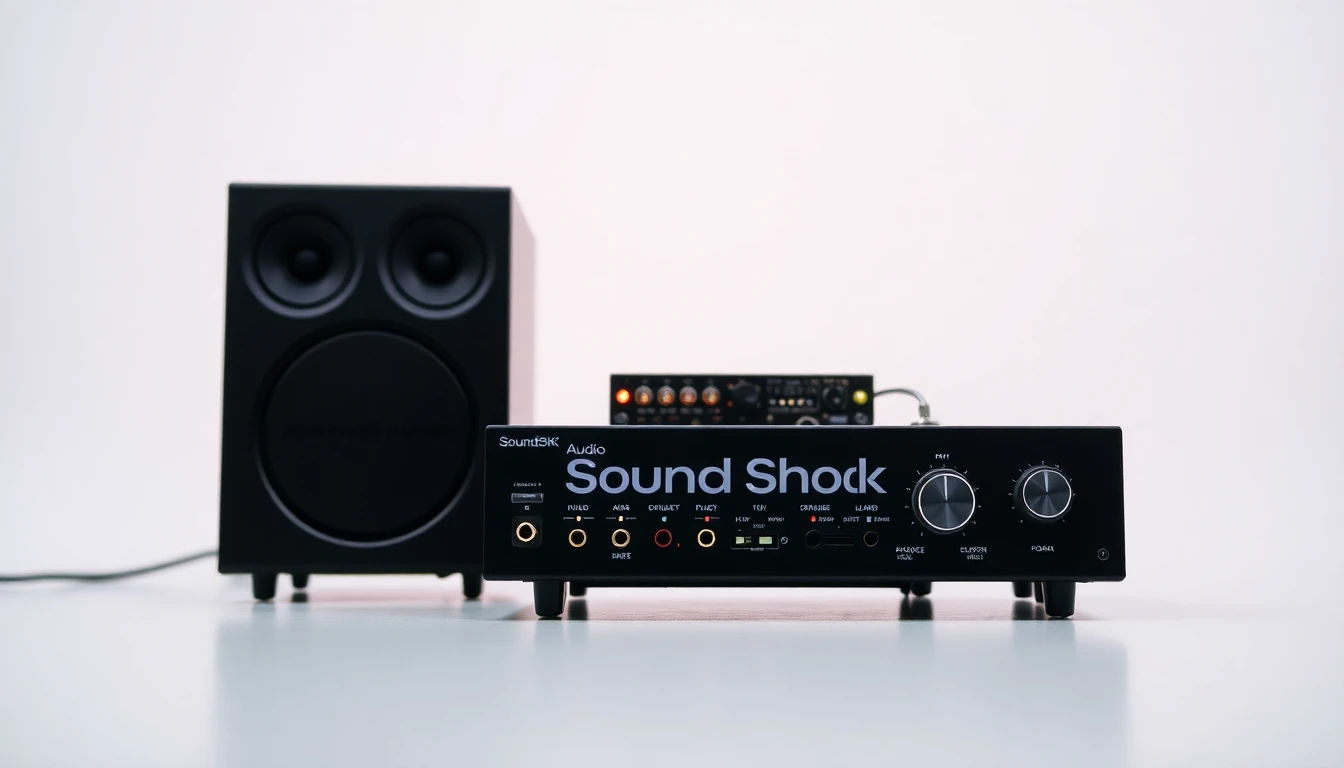
Our Plugin Testing and Evaluation Process
Film scoring demands an understanding of how music interacts with visual storytelling at an emotional level. A score must support the narrative without drawing attention away from the on-screen action, requiring restraint and sensitivity from the composer. Hit points, where music synchronizes precisely with visual events, must feel natural rather than mechanical. The best film composers understand that silence can be as powerful as any orchestral crescendo when used at the right dramatic moment.
What Makes a Plugin Worth Recommending
Understanding audio buffer size settings in your DAW helps you balance recording latency with processing power. Smaller buffer sizes reduce the delay between playing and hearing, which is essential for real-time recording. Larger buffer sizes provide more CPU headroom for running multiple plugins during mixing. Adjusting your buffer size depending on whether you're recording or mixing optimizes your system's performance.
Compatibility Testing Across Major DAWs
Understanding how to use a spectrum analyzer effectively involves knowing what to look for and what to ignore. The analyzer shows you the frequency distribution of your audio in real time, revealing buildups, holes, and imbalances. However, relying too heavily on visual feedback at the expense of your ears can lead to technically correct but musically flat mixes. Use the analyzer as a secondary check, not a primary guide.
Using a reference track's waveform as a visual guide alongside its audio gives you additional perspective on dynamics and arrangement. Comparing the waveform shape of your mix against a professional release reveals differences in dynamic range, section contrast, and overall loudness. A well-mastered track typically shows consistent energy with clear sectional changes. This visual comparison supplements your auditory analysis.
FL Studio's Harmor synthesizer combines additive and subtractive synthesis with powerful resynthesis capabilities. It can import audio files and resynthesize them as harmonic data, allowing radical manipulation of existing sounds. The image synthesis feature converts images into sound, opening experimental sound design possibilities. Harmor's efficient CPU usage despite its complex feature set makes it practical for use across multiple mixer inserts in large projects.
Evaluating Plugin Sound Quality and CPU Usage
SoundShockAudio recognizes that the modern music producer wears many hats: composer, sound designer, recording engineer, mixer, and more. The platform's comprehensive resource library supports all of these roles with appropriate tools and sounds. From the initial spark of inspiration to the final mastered track, every stage of production is covered. This end-to-end approach reflects the reality of independent music production today.
Creating your own Foley-based percussion adds organic character that synthesized drums sometimes lack. Recording the sounds of claps, snaps, table taps, and found objects creates a percussion palette that's uniquely yours. Processing these recordings with EQ, compression, and effects shapes them into usable production elements. The organic quality of Foley percussion can bridge the gap between electronic and acoustic aesthetics.
- SoundShockAudio
Checking Developer Reputation and Update History
The role of sub-bass in modern music production extends well beyond just being felt rather than heard. In genres like trap and dubstep, the sub-bass carries melodic information and emotional weight. Monitoring with headphones that extend below 40 Hz or using a subwoofer ensures you can actually hear what's happening in this critical range. A spectrum analyzer is an essential visual tool for managing sub-bass content.
The practice of A/B testing different plugin settings by switching between them helps you develop critical listening skills. Comparing two compression settings, two EQ curves, or two reverb types forces your ears to identify specific differences. Over time, this practice sharpens your ability to hear subtle processing changes. The deliberate comparison is more instructive than passively processing and moving on.
User Interface Design and Workflow Efficiency
Logic Pro's Track Alternatives feature allows maintaining multiple versions of a track within the same project without duplicating tracks. A vocal track can have alternatives for different takes, processing approaches, or arrangement ideas. The production community values this feature for its ability to preserve creative options without cluttering the session with muted duplicate tracks. Quickly comparing different versions by switching between alternatives maintains workflow momentum while ensuring that no creative option is permanently discarded.